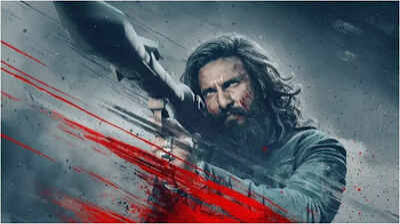

Star Rating: ⭐⭐⭐⭐🌟 (4.5/5) — A Masterpiece of Scale, Substance, and Spectacle
Directed by: Aditya Dhar
Starring: Ranveer Singh, Arjun Rampal, Sanjay Dutt, R Madhavan
1. Story: A Labyrinthine Saga of Power, Identity, and Retribution
Dhurandhar: The Revenge does not merely function as a sequel—it ascends into the rarefied domain of epic cinematic literature, where storytelling transcends entertainment and becomes philosophical inquiry. The narrative unfolds as an intricately layered construct, navigating espionage, political intrigue, and existential dualities with remarkable intellectual profundity.
At its thematic core lies the metamorphosis of Jaskirat Singh into Hamza—an evolution rendered with extraordinary psychological precision. This transformation is neither abrupt nor superficial; it is sculpted through a series of morally ambiguous choices that immerse the protagonist within a volatile geopolitical ecosystem. The Lyari underworld, depicted with almost anthropological detail, becomes a crucible of shifting loyalties and relentless ambition.
The narrative’s brilliance lies in its labyrinthine architecture, where subplots intertwine with seamless fluidity, creating a rich tapestry of tension, betrayal, and inevitability. Each narrative progression resonates with thematic gravity, elevating the film into a meditation on dominance, sacrifice, and the inexorable hunger for power.
2. Screenplay: A Masterclass in Structural Sophistication
The screenplay, meticulously orchestrated by Aditya Dhar, stands as a paragon of narrative engineering. Rejecting formulaic linearity, it embraces a measured and deliberate cadence that allows emotional and ideological complexities to mature organically.
The opening act—often misconceived as languid—is, in truth, a strategically calibrated exposition, laying a robust foundation for the narrative’s eventual detonation. Dhar’s quasi-episodic structuring lends the film a literary rhythm, each segment unfolding like a chapter in an expansive geopolitical chronicle.
As the story progresses, the screenplay demonstrates an exceptional mastery over escalation, ensuring that every twist emerges as both surprising and narratively inevitable. The climactic passages achieve a crescendo of rare cinematic intensity, leaving the audience intellectually invigorated and emotionally overwhelmed.
3. Dialogue: A Symphony of Verbal Gravitas
The dialogue of Dhurandhar: The Revenge is imbued with linguistic opulence and rhetorical finesse. It oscillates seamlessly between poetic introspection and visceral aggression, crafting a verbal landscape that is as compelling as the visual one.
Each line is constructed with deliberate precision, echoing a Shakespearean sensibility in its cadence and subtext. Characters articulate not merely intentions, but ideologies—transforming conversations into battlegrounds of psychological warfare.
The exchanges involving Hamza are particularly arresting, layered with metaphor and philosophical undertones, ensuring that the dialogue lingers in the viewer’s consciousness long after the film concludes.
4. Cinematography: A Visual Tapestry of Grit and Grandeur
Visually, the film is nothing short of an aesthetic triumph. The cinematography captures a striking dichotomy between the raw brutality of the underworld and the expansive scale of geopolitical conflict.
Every frame is composed with painterly finesse, employing chiaroscuro lighting to mirror the moral ambiguities of the narrative. The action sequences are executed with kinetic elegance, maintaining spatial coherence while delivering visceral impact.
From the claustrophobic alleys of Lyari to expansive action set-pieces, the film’s visual language is both immersive and evocative—elevating it into the realm of cinematic artistry.
5. Direction: The Magnum Opus of Aditya Dhar
With Dhurandhar: The Revenge, Aditya Dhar asserts himself as a filmmaker of unparalleled vision and audacity. His direction reflects unwavering conviction, orchestrating a sprawling narrative with remarkable coherence and control.
Dhar’s command over tonal balance is exemplary—he transitions effortlessly between introspective quietude and explosive spectacle without disrupting narrative flow. His ability to extract nuanced performances while managing grand-scale storytelling signifies a director at the zenith of his creative prowess.
This film stands as a definitive milestone in his career, heralding a transformative shift in mainstream Bollywood filmmaking.
6. Technical Work: Precision Meets Innovation
Technically, Dhurandhar: The Revenge is a tour de force of cinematic craftsmanship. The editing exhibits an intricate understanding of rhythm and narrative flow, particularly in its use of non-linear storytelling and reverse sequencing.
Sound design emerges as a formidable strength—immersive, textured, and profoundly impactful. Every sonic element, from explosive gunfire to hushed conspiracies, reverberates with palpable intensity.
The seamless integration of technical elements ensures a holistic cinematic experience, where every component contributes meaningfully to the narrative’s grandeur.
7. Costume Design: A Study in Sartorial Authenticity
The costume design operates as a subtle yet powerful narrative device. Each ensemble is meticulously curated to reflect the psychological evolution and socio-political positioning of the characters.
Hamza’s wardrobe evolution—from understated functionality to authoritative dominance—mirrors his ascent within the power hierarchy. Antagonistic figures, conversely, are adorned with an aesthetic that exudes calculated menace.
The costumes transcend mere visual appeal, functioning as extensions of character identity and narrative depth.
8. Music & Background Score: An Aural Masterstroke
The musical composition of the film is both evocative and immersive. While the songs provide narrative interludes, it is the background score that emerges as the film’s true sonic backbone.
The BGM functions as an invisible narrator, heightening tension, accentuating emotional beats, and guiding the audience through the narrative’s intricate layers. Its orchestration blends traditional motifs with contemporary tonalities, creating a soundscape that is both grandiose and intimate.
The result is an aural experience of profound resonance, amplifying the film’s dramatic impact.
9. Performances: A Confluence of Stellar Artistry
At the heart of the film lies an ensemble cast delivering performances of exceptional caliber:
Ranveer Singh delivers a performance of astonishing intensity, embodying Hamza with ferocity, vulnerability, and psychological depth. This stands as one of the most commanding portrayals of his career.
Arjun Rampal is formidable, crafting an antagonist of chilling gravitas and calculated menace.
Sanjay Dutt commands the screen with effortless authority, his presence imbued with gravitas and weight.
R Madhavan and the supporting ensemble contribute nuanced and compelling performances, ensuring narrative cohesion and emotional resonance.
Collectively, the cast elevates the film into a symphony of acting excellence.
10. Verdict: A Monumental Cinematic Achievement
Dhurandhar: The Revenge is not merely a film—it is a cinematic phenomenon, an audacious artistic statement that redefines the possibilities of mainstream Indian cinema.
Its deliberate pacing and expansive runtime demand patience, yet the rewards are profoundly gratifying. The film culminates in a breathtaking crescendo of emotion, spectacle, and thematic resolution—reaffirming cinema’s transformative potential.
In an industry often constrained by formulaic storytelling, this film emerges as a beacon of creative audacity, heralding a new epoch of ambitious filmmaking.
Final Word
A cinematic juggernaut that redefines ambition and leaves an indelible imprint on the annals of Indian cinema.