
JD(U) leader steps down from state legislature seat after securing Rajya Sabha berth; oath likely on April 10
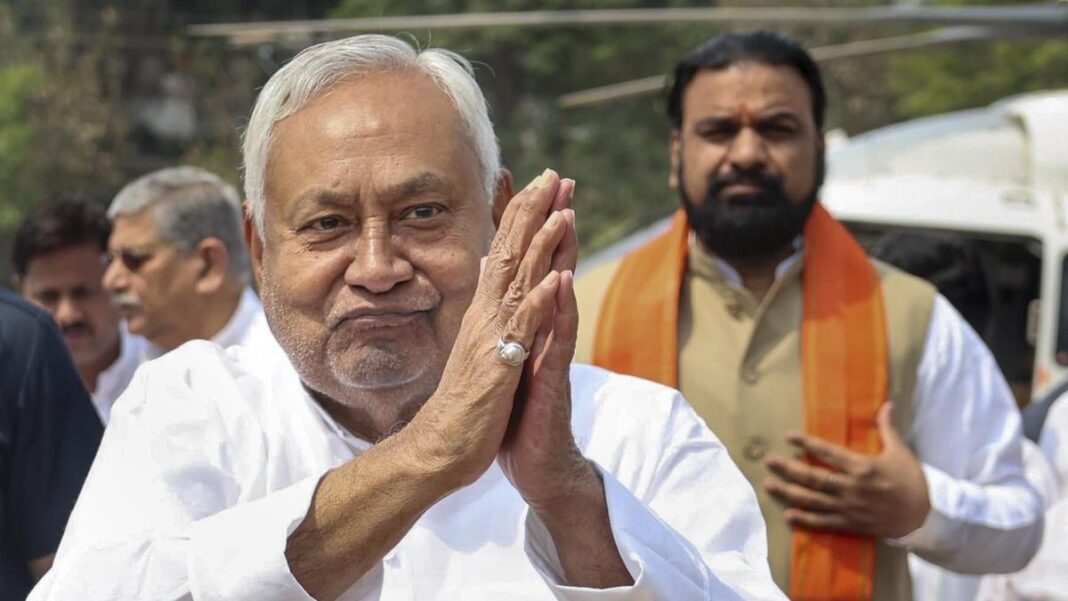
In an important political move, Nitish Kumar has resigned as a member of the Bihar Legislative Council. This is an important step in his journey towards national politics. The resignation has been submitted on March 30, 2026. This decision has been confirmed by the Chairman of the Bihar Legislative Council, Awadhesh Narayan Singh.
Nitish Kumar had already won a seat in the Rajya Sabha through elections that took place earlier this month. According to the Constitution, any member who is elected to Parliament is supposed to resign as a member of the state legislature within 14 days. This is the reason for his decision to resign.
According to reports, JD (U) leader Sanjay Gandhi submitted Nitish Kumar’s resignation letter to the council on his behalf. The veteran politician is likely to take oath as a member of the Rajya Sabha on April 10.
Transition Sparks Political Speculation
The recent resignation of Nitish Kumar has given rise to various speculations regarding the future of the political scenario in the state of Bihar. Since he has been the longest-serving Chief Minister in the state of Bihar, the possibility of his exit from the state’s politics is certainly creating ripples. Though there has been no official announcement regarding his resignation as the Chief Minister of the state, it is believed that the decision might be taken in the coming days.
It is noteworthy that the Chief Minister of the state can continue in office even if he/she is not a member of the state legislature for up to six months. This implies that Nitish Kumar might continue in office even after resigning from the Legislative Council.
Internal Party Discussions Intensify
Before the resignation, several senior leaders of the Janata Dal (United) party were spotted visiting Nitish Kumar’s official residence in Patna. These meetings, which took place behind closed doors, have sparked rumors of internal deliberations on the future leadership of the party.
There are rumors of some party leaders who are eager to convince Nitish Kumar to continue in the role of Chief Minister, considering his experience in administration and his pull in politics. However, there are also concerns about the stability of the party due to the lack of a clear leadership successor.
Path to Rajya Sabha
The nomination for the Rajya Sabha seat was filed by Nitish Kumar on March 5, 2026, in the presence of senior BJP leader and Home Minister Amit Shah. The election of Nitish Kumar on March 16 has been seen as the final validation of the long-standing speculations that the politician was making the transition to national-level politics.
The decision can be viewed as a strategic one and might be intended to boost his position in the decision-making process at the national level. Considering the long years of his service in the field of politics and his experience in the domain of coalition politics, the presence of Nitish Kumar in the Parliament can be seen as quite influential.
Constitutional and Political Implications
However, the resignation also brings into focus the constitutional requirement of elected representatives not having dual legislative roles. As Nitish Kumar is set to take oath in the Rajya Sabha, the spotlight is now on the future of Bihar politics.
If he resigns as Chief Minister, it will be the end of an era in the politics of Bihar. Over the years, Nitish Kumar has been instrumental in the formation of the state’s governance and infrastructure policies. His leadership has also been crucial in maintaining political alliances in the state and the country.
What Lies Ahead
All eyes are on what Nitish Kumar is likely to do in the run-up to April 10. Will he stay on as Chief Minister in a temporary capacity, or will Bihar see a new chief minister soon?
For now, Mr. Kumar’s resignation from the Legislative Council is a significant step in his political career that could redefine Bihar’s political leadership and Mr. Kumar’s role in Indian politics.