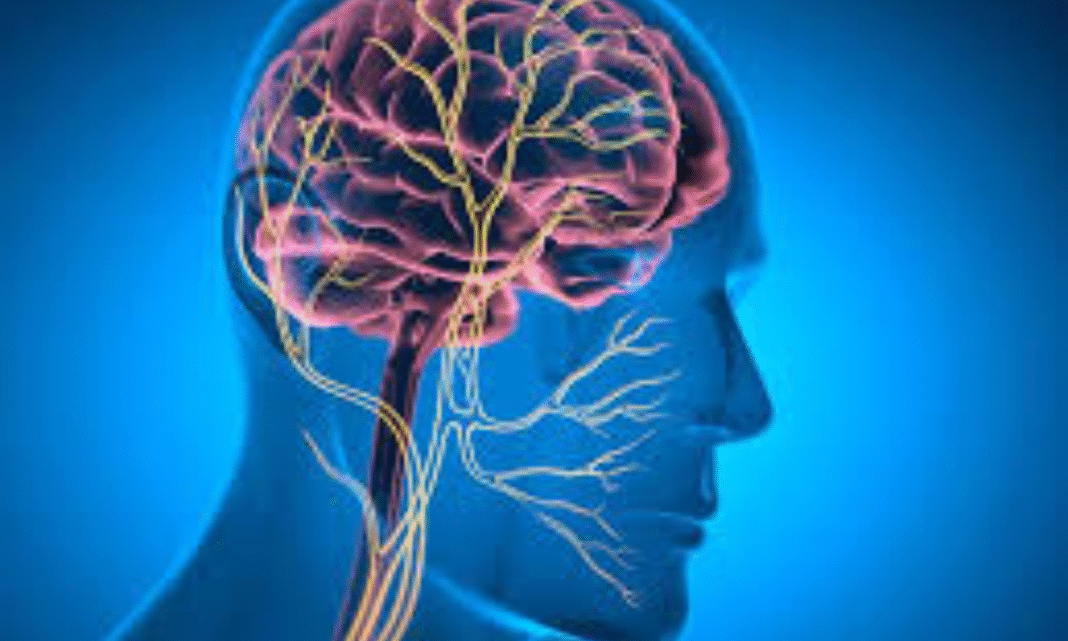

Cancer is not only a disease of uncontrolled cell growth—it is also a condition that disrupts the body’s entire metabolic system. One of the most devastating complications faced by cancer patients is cachexia, a complex syndrome marked by extreme weight loss, muscle wasting, fatigue, and weakness. Unlike ordinary weight loss, cachexia cannot be reversed simply by eating more. Recent scientific studies suggest that faulty communication between the brain and liver plays a critical role in driving this condition.
Understanding this brain–liver miscommunication may open new doors for effective treatments and improved quality of life for millions of patients worldwide.
What Is Cancer Cachexia?
Cachexia is a metabolic disorder affecting nearly 50–80% of advanced cancer patients. It leads to:
-
Rapid loss of skeletal muscle
-
Reduction in body fat
-
Persistent fatigue
-
Reduced immunity
-
Decreased tolerance to cancer therapies
This syndrome significantly lowers survival rates and worsens treatment outcomes. Unfortunately, conventional nutritional support often fails to restore lost weight, highlighting the need to understand its deeper biological causes.
The Brain and Liver: A Metabolic Partnership
The brain and liver work together to regulate energy balance in the body. Under normal conditions:
-
The brain monitors hunger, satiety, and energy needs.
-
The liver controls glucose production, fat metabolism, and protein breakdown.
They communicate constantly through hormones, nerve signals, and chemical messengers to maintain metabolic stability. When this communication system is disrupted, the body’s energy regulation collapses.
How Cancer Disrupts Brain–Liver Communication
In cancer patients, tumors release inflammatory molecules and metabolic signals that interfere with normal brain–liver signaling. These abnormal signals confuse the body’s energy control centers.
1. Chronic Inflammation
Tumors trigger persistent inflammation by releasing cytokines such as interleukin-6 (IL-6) and tumor necrosis factor-alpha (TNF-α). These substances:
-
Alter brain appetite centers
-
Increase energy expenditure
-
Promote muscle breakdown
As a result, the brain mistakenly signals that the body needs to burn more fuel—even when energy reserves are low.
2. Hormonal Imbalance
Cancer disturbs key metabolic hormones including:
-
Insulin
-
Leptin
-
Ghrelin
-
Cortisol
These imbalances suppress appetite while accelerating fat and muscle loss. The brain receives faulty hormonal feedback, further worsening metabolic instability.
3. Liver Overactivation
Due to distorted brain signals, the liver enters a hyperactive state. It begins:
-
Producing excessive glucose
-
Breaking down proteins for energy
-
Increasing fat oxidation
This process drains the body’s muscle and tissue reserves, fueling weight loss.
The Vicious Cycle of Cachexia
Once brain–liver miscommunication begins, a self-perpetuating cycle forms:
-
Tumor releases inflammatory signals
-
Brain misinterprets energy needs
-
Liver increases metabolic activity
-
Muscle and fat are rapidly consumed
-
Weakness and inflammation intensify
This loop continues unless medically interrupted, making cachexia extremely difficult to reverse.
Why Eating More Is Not Enough
Unlike starvation, cachexia is driven by internal metabolic dysfunction rather than food shortage. Even when patients consume high-calorie diets:
-
Nutrients are inefficiently utilized
-
Muscles continue to degrade
-
Energy is diverted to tumor growth
This explains why nutritional supplements alone rarely succeed in treating cachexia.
Breakthrough Research and New Insights
Recent studies in neuroendocrinology and oncology have revealed specific neural pathways connecting the hypothalamus (brain) to the liver that become distorted in cancer. Researchers have identified:
-
Altered vagus nerve signaling
-
Dysfunctional sympathetic pathways
-
Disrupted insulin signaling circuits
These findings suggest cachexia is not merely a side effect of cancer but a neurologically driven metabolic disorder.
Potential Treatment Strategies
Understanding brain–liver miscommunication has paved the way for new therapeutic approaches:
1. Anti-Inflammatory Therapies
Drugs targeting inflammatory cytokines may help restore normal signaling.
2. Hormonal Regulation
Medications that stabilize insulin, ghrelin, and leptin levels could improve appetite and metabolism.
3. Neural Modulation
Emerging therapies aim to correct faulty nerve signals between the brain and liver.
4. Metabolic Reprogramming
Experimental drugs seek to slow muscle breakdown and improve nutrient utilization.
5. Multidisciplinary Care
Combining medication, nutritional therapy, physical rehabilitation, and psychological support yields better outcomes.
Impact on Patient Survival and Quality of Life
Cachexia is responsible for nearly 20% of cancer-related deaths. It reduces:
-
Physical strength
-
Treatment tolerance
-
Immune defense
-
Emotional well-being
By targeting brain–liver pathways, future therapies may help patients maintain body weight, improve energy levels, and respond better to treatment.
Future Directions in Cachexia Research
Scientists are now exploring:
-
Personalized metabolic profiling
-
Brain-targeted drug delivery systems
-
Gene-based interventions
-
AI-driven treatment modeling
These innovations could transform cachexia from a fatal complication into a manageable condition.
Conclusion
Cancer cachexia is far more than simple weight loss. It is a complex neurological and metabolic disorder driven by miscommunication between the brain and liver. Chronic inflammation, hormonal disruption, and neural dysfunction combine to hijack the body’s energy system, leading to rapid physical decline.
Cracking this code offers new hope. By restoring healthy brain–liver communication, modern medicine may soon be able to protect cancer patients from one of the disease’s most devastating effects—giving them not only longer lives but better ones.