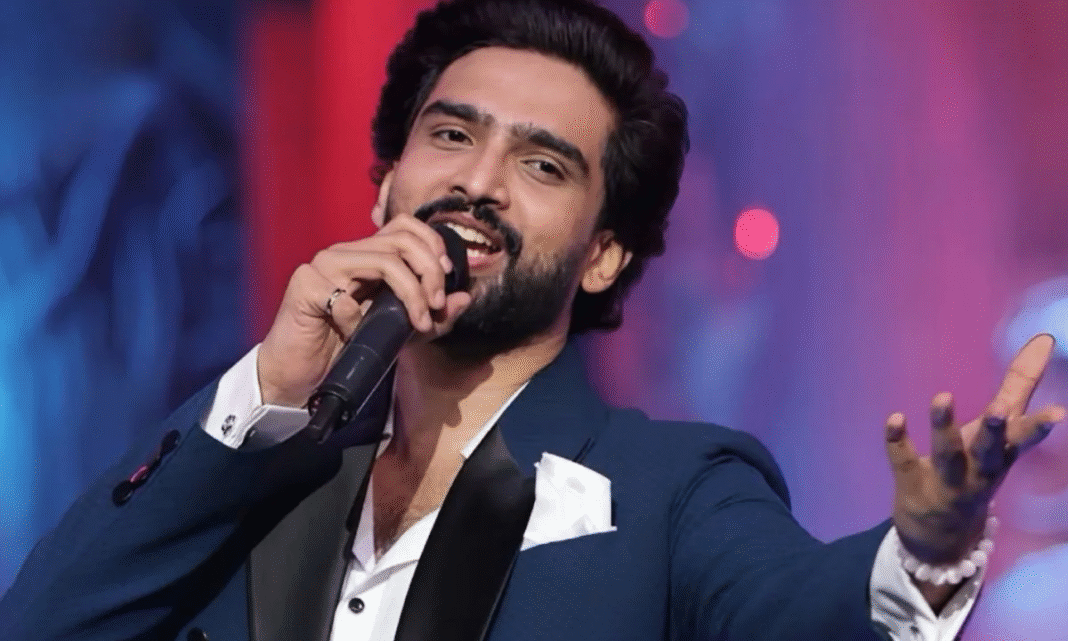

Renowned music composer and singer Amaal Mallik has openly spoken about the harsh realities of the Bollywood music industry, revealing how composers are often deprived of fair financial rewards despite creating blockbuster songs. In a recent interview, Amaal shared that his hit song “Sooraj Dooba Hain” from the 2015 film Roy earned nearly Rs 70 crore for the music label, while he received only a minimal amount in return.
“Sooraj Dooba Hain” was produced on a small budget of around Rs 8–9 lakh, yet it went on to become one of the most popular romantic tracks of the decade. The song dominated music charts, radio stations, weddings, and streaming platforms, making it a massive commercial success. However, according to Amaal, the profits generated by the song mostly benefited the music company, leaving the actual creator with very little.
Amaal explained that in Bollywood, composers are usually paid a one-time fee and are required to give away all rights to their music. This system prevents them from earning royalties in the long term, even when their songs continue to generate revenue for years. “That money can only come if I have rights,” Amaal stated, emphasizing the importance of ownership and fair profit-sharing in the creative industry.
The composer further revealed that despite working in the industry for over 16 years, he recently managed to buy his first car. He shared that most of his earnings were spent on supporting others rather than personal luxuries. His statement reflects the financial struggles many artists face behind the glamorous image of Bollywood.
Amaal also compared Bollywood’s music system with the South Indian film industry, where composers reportedly receive higher fees and retain greater control over their work. In the southern industries, top composers are often paid several crores and are allowed to keep music rights, whereas in Bollywood, composers usually accept lower payments while surrendering ownership.
Speaking Up Comes at a Professional Cost
Being vocal about unfair practices has not been easy for Amaal. He revealed that in the last five years, he lost nearly 40 to 45 film projects because he questioned industry norms related to credit, payments, and artistic control. Producers and studios, he said, were uncomfortable working with someone who challenged the existing system.
He also highlighted issues related to proper crediting. In the past, composers’ names were often not prominently displayed in promotions and music releases. Amaal said he had to fight for recognition, not just for himself but for all composers and lyricists. He believes that every creative professional deserves equal respect and visibility.
Another major concern raised by Amaal is the lack of transparency in song selection. He explained that composers are often asked to create multiple versions of songs, investing time and emotions, only to have their work rejected without explanation. This practice, he said, can be mentally exhausting and discouraging.
Background, Struggles, and Determination
Despite coming from a musical family, Amaal’s journey was far from easy. He is the son of Daboo Malik and nephew of Anu Malik, but he claims his surname sometimes worked against him. Some producers assumed he would misuse their music or demand special treatment, leading to lost opportunities.
Apart from professional challenges, Amaal has also faced emotional and mental struggles. He has openly spoken about periods of depression and self-doubt. Yet, his passion for music and dedication to his craft helped him overcome difficult times and continue creating meaningful work.
A Call for Industry Reform
Amaal Mallik’s revelations have sparked an important conversation about artist rights and fair compensation in India’s entertainment industry. In the era of digital streaming and global music platforms, songs generate income for decades, making it crucial for creators to receive their rightful share.
His statements highlight the urgent need for reforms in contracts, royalty systems, and crediting practices. While change may take time, Amaal’s courage in speaking up has given voice to countless artists who silently face similar struggles.
Through his honesty and determination, Amaal continues to inspire young musicians to value their work, stand up for their rights, and strive for a more balanced and transparent creative industry.