
Chennai is undergoing a quiet but powerful transformation in how it treats one of its most essential civic services—public sanitation. What was once seen as a municipal burden is now being reframed as a core part of the city’s identity, dignity and public health strategy.
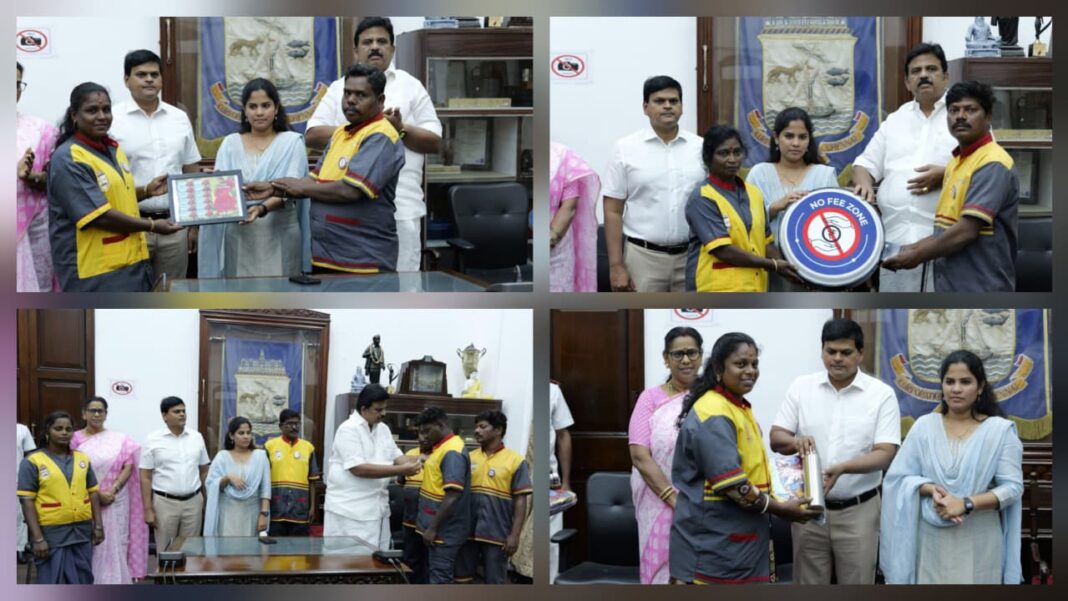
On World Toilet Day, the Greater Chennai Corporation (GCC) showcased this shift through meaningful initiatives, including the launch of a ₹5 postal stamp, “No Fee Zone” signage, and upgraded support systems for sanitation workers. But these visible actions are only a fraction of the deeper structural change underway.
Revaluing an Overlooked Public Service
For decades, public toilets across India were underfunded, poorly maintained, and rarely seen as assets. Chennai is reversing that trend through a comprehensive modernisation plan under the DBFOT-HAM model, ensuring toilets are built, maintained, and monitored with long-term accountability.
This model shifts payments from construction-based to performance-based—linking operator compensation directly to daily outcomes such as cleanliness, water availability, lighting, safety, staffing and complaint closure. The system introduces discipline, transparency and measurable service quality into a sector that historically lacked all three.
A Stamp That Marks a Shift
The special World Toilet Day stamp, titled “Clean Sanitation for All – World Toilet Day 2025,” symbolises Chennai’s commitment to inclusive sanitation. Designed by Ferrgra – Urban PCT Three Pvt Ltd, the stamp highlights men, women, children, transgender persons and individuals with disabilities—reflecting the city’s push toward equitable access.
The first print was handed to sanitation workers Kalyani and Sandilyan, recognising their essential role in keeping Chennai functional every day.
Making Public Toilets Truly Public
The introduction of “No Fee Zone” across the city sends a clear message: access to sanitation is a right, not a paid service. Through citywide signboards, staff badges and door stickers, GCC aims to eliminate informal charges and ensure universal access.
Workers at the Centre
GCC has also upgraded support for its sanitation workforce by providing safety kits that include uniforms, gloves, masks and steel water bottles. Structured employment, safety protocols and training initiatives reinforce the idea that sanitation workers deserve dignity, security and recognition.
Designing for Inclusivity and Resilience
Chennai’s revamped public toilets feature accessible ramps, menstrual hygiene facilities, gender-sensitive layouts, CCTV surveillance, CCMS integration, vending machines, and flood-resilient architecture. These elements ensure long-term usability, comfort and safety for all citizens.
Citizens as Participants in Governance
QR-code feedback systems and CCMS dashboards allow residents to report issues instantly, making them active contributors to the upkeep of public spaces. This transparency strengthens accountability across operators and civic teams.
A Model of Everyday Governance Done Right
Chennai’s sanitation improvement is not a flashy megaproject—it’s a citywide upgrade of the everyday spaces residents depend on. Cleaner, safer, well-lit and accessible toilets enhance mobility, especially for women, elderly citizens and night-time workers. They also reduce open defecation and support public health by lowering the spread of water-borne and vector-borne diseases.
This initiative represents a governance approach rooted in practicality, dignity and sustained community impact.
Chennai’s message is clear: clean toilets aren’t optional amenities—they’re fundamental to a healthy, equitable and confident city.