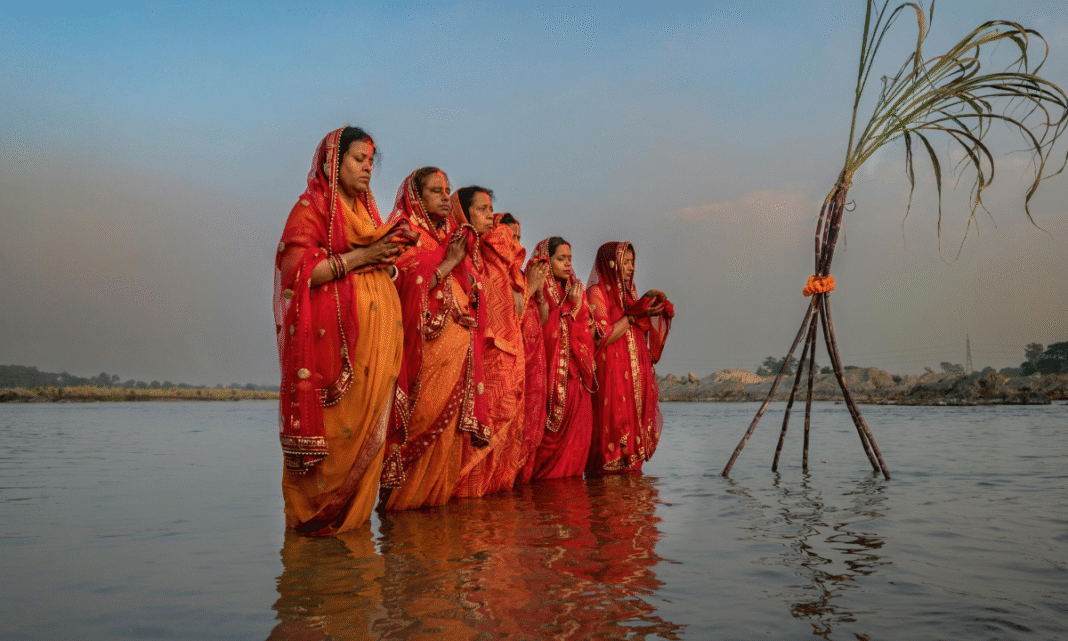

Chhath Puja, also known as Surya Shashti, is one of the most sacred festivals dedicated to the worship of the Sun God (Surya Dev) and Chhathi Maiya. This festival, deeply rooted in faith and tradition, is celebrated every year on the Shukla Paksha Shashti of the Kartik month, as per the Hindu lunar calendar. Symbolizing purity, discipline, and devotion, Chhath Puja 2025 is a four-day-long festival observed with immense reverence and enthusiasm, especially in Bihar, Uttar Pradesh, Jharkhand, and Nepal’s Terai regions.
When is Chhath Puja 2025?
This year, the grand festival of faith — Chhath Puja 2025 — will begin on Saturday, October 25, with the sacred ritual of Nahay Khay. The festival continues for four days, concluding with Usha Arghya (offering to the rising sun).
-
Nahay Khay: Saturday, October 25, 2025
-
Kharna: Sunday, October 26, 2025
-
Sandhya Arghya (First Evening Offering): Monday, October 27, 2025
-
Usha Arghya (Morning Offering): Tuesday, October 28, 2025
Each day holds unique spiritual importance and is performed with deep devotion and strict rituals.
Significance of Chhath Puja
Chhath Puja is dedicated to Surya Dev, the Sun God, who is considered the source of all life, energy, and prosperity on Earth. Devotees also worship Chhathi Maiya, believed to be the Goddess who blesses children with good health and longevity.
The festival is a celebration of gratitude — devotees thank the Sun God for sustaining life and pray for the well-being, happiness, and prosperity of their families. It is also believed that worshipping the Sun helps cure skin and other ailments, symbolizing physical and spiritual healing.
Both men and women observe this fast with complete dedication. The rituals demand purity of body and mind, as devotees abstain from even a drop of water during the main fasting days, reflecting immense willpower and faith.
Chhath Puja Rituals and Observances
-
Nahay Khay (Day 1):
The festival begins with Nahay Khay, where devotees take a holy dip in rivers or ponds, purify their homes, and prepare Satvik (pure) food. Only after offering this meal to the deity do they consume it themselves. -
Kharna (Day 2):
On this day, devotees observe a day-long fast without water. In the evening, after sunset, they prepare gud ki kheer (sweet rice made with jaggery and milk), roti, and bananas as offerings. After the rituals, they break their fast and distribute the prasad among family and neighbors. -
Sandhya Arghya (Day 3):
This is the most significant day of the festival. Devotees gather on riverbanks, ponds, or water bodies to offer the first Arghya (offering) to the setting sun. The sight of hundreds of devotees standing in water with bamboo baskets filled with fruits, sugarcane, and Thekua (a special sweet) creates a divine and mesmerizing atmosphere. -
Usha Arghya (Day 4):
The final day begins before dawn. Devotees offer the Usha Arghya to the rising sun, praying for the prosperity and happiness of their families. After the offering, the fast is broken — marking the completion of the Chhath Puja rituals.
Spiritual Essence and Cultural Importance
Chhath Puja symbolizes gratitude, discipline, and harmony with nature. It reminds devotees of the eternal bond between humans and the environment, emphasizing purity of thoughts and actions. The rituals performed during Chhath also highlight the role of women in preserving culture and spiritual values within society.
Across Bihar, Uttar Pradesh, and other regions, communities come together to clean ghats, prepare offerings, and sing traditional folk songs. The festival’s serene and disciplined atmosphere stands apart from most other Indian festivals — there are no idols, no priests, and no lavish decorations — only faith, simplicity, and devotion.
Conclusion
Chhath Puja 2025 is not merely a festival; it is a sacred journey of faith and endurance. From Nahay Khay to Usha Arghya, every ritual reflects the purity, patience, and gratitude of devotees toward the divine forces that sustain life.